Windshield glass is not just a viewfinder. It anchors the roof structure, houses cameras and sensors, and keeps airbags aimed where they belong. When a rock wins the lottery and finds your line of sight, choosing how to replace that glass becomes a safety decision as much as a budget decision. Mobile service adds another layer: you are trusting a technician to bring a rolling shop to your driveway, then set structural glass with dealership-level precision.
The fork in the road most drivers hit is OEM versus aftermarket. The complication is that you typically face it while staring at a price on your phone from an “auto glass near me” search, or a fast “windshield quote” text from a dispatcher. Prices vary by hundreds of dollars, yet the options aren’t always explained. I have spent years in and around auto glass replacement, from calibrating ADAS systems to crawling dashboards to pull VIN-specific part numbers. The reality is nuanced, but you can make a clean decision if you understand a handful of trade-offs and how to read your auto glass quote.
What OEM and Aftermarket Actually Mean
OEM stands for original equipment manufacturer. In glass, it means the windshield is made by the same company that supplies your vehicle’s factory assembly line, to the automaker’s specifications. OEM-equivalent, sometimes called OE or dealer-branded, is essentially the same part with the carmaker’s logo etched in the corner. Pilkington, Saint-Gobain, AGC, Fuyao, and PGW manufacture the majority of OEM glass. If your factory glass says “AGC” with a Toyota logo, the OEM replacement likely comes from that same AGC line.
Aftermarket means a manufacturer produced the glass to fit and function like the original, but without the automaker’s branding or contract. There is a wide spectrum of quality in aftermarket. Large reputable brands often meet the same federal safety standards and deliver clean optics, accurate bracket placement, and proper acoustic laminate. Budget imports can miss by small but important margins, like a bracket that sits one millimeter off center, which can trip a camera calibration.
Both categories must meet FMVSS 205 safety standards for glazing. That is the floor. The ceiling is defined by optical clarity, distortion control in the “critical zone” in front of the driver, the exactness of sensor mounts, acoustic interlayers for cabin noise, and the fit along the body. People tend to debate durability, but stone impacts are far more about debris size and angle than the logo on the glass.
The Mobile Part: Why Installation Technique Rules the Outcome
Whether you choose OEM or aftermarket, installation decides how safe and quiet your car feels. Mobile work does not need to be a compromise if the tech uses the right materials and methods. Ask what urethane they use and how long the safe drive-away time is. Premium one-component urethanes set fast in varying temperatures and achieve OEM-level adhesion. Cheaper adhesives can double your wait time and, in cold weather, leave the bond undercured.
I have seen two identical vehicles, one with OEM glass and sloppy prep, the other with a mid-tier aftermarket windshield and meticulous adhesive work. The carefully installed aftermarket one stayed silent and leak-free for years, while the OEM with poor prep developed wind noise by month two. The lesson: a clean pinch weld, proper primer, correct bead size, and careful setting depth matter as much as the label on the glass.
If your car has ADAS features, the mobile crew should have a calibration plan. Static calibration involves targets, levels, and manufacturer-specific software. Dynamic calibration requires a precise drive under stable conditions. Some models need both. Mobile companies that handle calibration bring the targets and scan tools to you or coordinate with a partner shop the same day. If a provider shrugs off the need to calibrate, find another. Post-calibration printouts are as important as your receipt.
Reading Your Auto Glass Quote Without Guesswork
A clear auto glass quote should show part number, glass type, tint and acoustic features, moldings or clips, labor, disposal, mobile fee, and calibration. Even good companies sometimes abbreviate. Ask for itemization in writing before you approve a windshield replacement. Three specific things make or break the price and quality:
- The exact part variant tied to your VIN: modern windshields can come in a half-dozen versions, for example with or without a solar-coated interlayer, with a heated wiper park area, with a sensor bracket for lane camera and rain sensor, with a humidity sensor, or with acoustic laminates. A proper “auto glass quote” should reflect your specific options. A wrong variant can mount the camera at the wrong distance, making calibration impossible. Molding strategy: some vehicles require a replacement outer molding or clip kit to maintain wind noise and prevent water intrusion. Reusing brittle trim trims the estimate but can create whistles at highway speed. If the quote excludes moldings, ask why. Calibration, scan, and ADAS fees: calibration costs range from about 150 to over 400 dollars depending on vehicle make and complexity. Some European brands land higher due to software access fees. A shop that bundles calibration into the total is fine, as long as it is there explicitly.
If the provider resists giving details, especially about part numbers or calibration, that tells you more than the price does.
OEM Pros and Cons Through a Practical Lens
OEM advantages live in the edges, but those edges matter. The glass curvature and distortion control around the driver’s sightline tends to be tighter. Sensor brackets are placed to tighter tolerances. Coatings, such as hydrophobic zones behind mirror-mounted cameras, often match the factory exactly. Acoustic performance is more consistent in the mid and high frequencies. For luxury cars and vehicles with thick acoustic lamination, OEM is often the only way to maintain the original cabin hush.
Calibration tends to be more predictable with OEM. Many shops report a higher first-time pass rate with dealer-branded parts, because the bracket and frit pattern precisely match what the ADAS camera expects. That saves time and lowers the chance of repeat visits.
Downsides are cost and availability. OEM can run 30 to 70 percent more than reputable aftermarket. On some models, the delta is small, but for SUVs with large windshields, the difference can reach several hundred dollars. Availability can add days. If you need to get back on the road before the weekend and the OEM is back-ordered, you might be better served by a high-quality aftermarket option that calibrates cleanly.
The Aftermarket That Works, and the Aftermarket to Avoid
The best aftermarket glass comes from the same big names that supply OEM programs, just without the automaker’s etch. Fit and clarity are usually excellent, and ADAS calibration success is high. These parts often carry “acoustic” or “sound screen” markings and include the correct sensor brackets pre-bonded.
Problems crop up with budget aftermarket. The most common issue is subtle optical distortion in the driver’s primary viewing zone, especially near the A-pillar sweep. Another is imprecise camera bracket position. A millimeter or two off changes the camera pitch angle enough to force repeated calibrations or produce inconsistent lane detection.
Price is the draw, and for vehicles without cameras and sensors, a solid aftermarket piece installed by a careful tech gives great value. For vehicles with complex sensor suites, you need to be choosy and demand a brand name part. If your auto glass quote lists a part you do not recognize, ask for the manufacturer, and Union car window repair whether the shop has successfully calibrated that brand on your make and model.
How Mobile Service Changes the Decision
Mobile service makes life easier. You skip the waiting room and keep your day moving. It does add variables: wind, dust, temperature, and grading on your driveway. A skilled mobile tech controls those variables. Watch for a pop-up tent or wind break on breezy days, fender covers, clean gloves during glass set, and proper suction cups or a setting device. They should lay a continuous urethane bead with a consistent profile. The glass should settle to the same depth as the original, which matters for molding contact and sensor alignment.
If it is below freezing or raining, rescheduling is often safer unless the tech carries climate-controlled urethane and shelter. Adhesive performance is chemistry, not wishful thinking. A good mobile outfit will tell you what works in your conditions and give a safe drive-away time based on the actual product used, not a generic statement.
Mobile work also intersects with ADAS. Static calibrations with target boards can be done in your garage or a flat driveway if the tech uses digital leveling and has enough space. Many late-model cars permit dynamic calibration on a road drive, but that process requires steady speed, distinct lane markings, and minimal glare. A company that does both will choose the method your car calls for, not the one that is most convenient that day.
The Role of Insurance, Deductibles, and Networks
Insurance complicates perceptions. If you have comprehensive coverage, your insurer might steer you to a network shop and suggest aftermarket glass. Some policies specify aftermarket unless OEM is unavailable or a documented ADAS issue requires it. Others allow OEM with an endorsement. Read your policy or call the adjuster before you commit.
If your deductible is higher than the quote, you are paying cash. In that scenario, evaluate value, not just sticker price. Ask the shop whether OEM makes a functional difference on your vehicle. Many will be candid. For example, late-model Subarus and Hondas often behave better with OEM camera brackets. On the other hand, a mid-trim pickup without cameras will be fine with quality aftermarket at a lower price.
Do not discount the independent shop that operates outside the big networks. Some of the most meticulous installers are independent, and they handle calibration with dealer-level tools. The “auto glass near me” search will show both franchise names and local specialists. The proof is in their answers to your questions and the clarity of their estimate.
How to Align Your Quote With Your Car’s Technology
Modern windshields carry more than glass. Here is a compact checklist to reconcile your auto glass replacement with your vehicle’s equipment and your quote. Use it on the phone before you schedule.
- Confirm ADAS equipment: ask the shop to check the VIN for camera, radar, rain sensor, and heating options. Verify whether the windshield requires static, dynamic, or both types of calibration, and that the shop will perform it and provide a report. Match the features: verify acoustic layer, solar coating, infrared or UV filtering, heated wiper park, heated glass, and any heads-up display compatibility. Make sure the part number reflects those options. Ask about moldings and clips: confirm whether new moldings are included and whether the quote covers any specialty clips that often break on your model. Identify the brand: get the exact manufacturer of the glass, OEM or aftermarket, and ask if they have successfully installed and calibrated that brand on your make. Pin down adhesive and drive-away: ask which urethane will be used and the safe drive-away time given the day’s temperature and humidity, plus any mobile fee and disposal charge.
Five questions, five answers. If a shop provides all five with confidence, your odds of a smooth outcome jump.
Real-World Scenarios That Clarify the Choice
A family SUV with a rain sensor and lane camera, parked outdoors. The owner wants mobile service and needs the car back for a weekend trip. Two quotes arrive. OEM is 780 dollars with calibration, available in two days. Aftermarket is 580, same-day. The shop confirms they have calibrated the aftermarket brand on this model many times and offers to perform a static calibration in the driveway with targets. In this case, the aftermarket option is reasonable if the brand is reputable and the shop shows prior success. If the weather is windy and cold, waiting a day for OEM inside a shop might be smarter for adhesive curing and calibration stability.
A German sedan with acoustic glass and a heads-up display. Aftermarket is 520 cheaper. The installer warns that HUD clarity can suffer on some non-OEM pieces. The driver is sensitive to cabin noise and relies on HUD for speed. The OEM choice is the safer bet. Even if an aftermarket part fits, optical uniformity in the HUD zone is where OEM often pulls ahead.
A work truck with no camera and basic tint, used on job sites. It needs to be back on the road tonight. Aftermarket from a known brand, installed by a reliable mobile tech with a fast-cure urethane, is the efficient play. Spending extra for OEM will not change safety or function in a meaningful way here.
A Subaru with EyeSight. This platform is famously picky about bracket position. Many shops now treat OEM as the default for these. If a provider proposes aftermarket, ask how many they have calibrated successfully and whether they guarantee it. If not, save yourself a return visit and choose OEM.
Optical Quality and Why Your Eyes Notice It
Every windshield bends light. The question is how consistently it does so across the viewing angle. Engineers test by rotating a grid pattern behind the glass and measuring distortion. In practice, you will notice it when distant objects seem to wiggle near the top corners or A-pillar edges. Drivers accustomed to long highway stints are more sensitive to it.
High-quality aftermarket can match OEM on optical performance. Variability crops up lot to lot, mostly due to tooling wear and lamination controls. If you install a piece and something feels off visually, speak up. Reputable shops will replace a part that shows distortion in the primary viewing zone. They do not want you to live with a windshield that tires your eyes.
Noise, Coatings, and the Small Comforts That Add Up
Acoustic laminates are thin, but they matter. On a decibel meter, you might only see a couple of dB difference at 65 mph, but the character of the noise changes. Good acoustic glass dampens mid-frequency whoosh. Combine that with fresh moldings and a properly set depth and your car will feel like it did before the crack.
Solar and infrared coatings reduce heat soak. If your car came with them, skipping that feature in a replacement makes summer glare harsher and HVAC work harder. On quotes, these features hide behind abbreviations like “IR,” “UV,” or “solar.” Ask the shop to explain them in plain language.
Hydrophobic patches behind cameras are another small detail. They ensure the camera lens sees clearly in rain. Aftermarket pieces sometimes omit or alter this patch. OEM tends to replicate it precisely. If your wipers leave a small dry zone near the mirror, that is intentional.
What Quality Control Looks Like on the Curb
You will not micromanage the technician, but you can recognize good habits. The old glass should come out without tearing up the pinch weld paint. Any scratches get primer. The urethane bead should be continuous and even. The tech should dry-fit the new windshield to check alignment, then set it evenly on both sides to factory depth marks. Moldings should lie flush, not rely on excess adhesive to hold gaps.
Inside, expect a scan before and after. That pre-scan catches existing fault codes. Post-scan confirms all modules are happy after the disconnect and calibration. For vehicles with lane cameras, you should see a calibration procedure, not just a reset. If the tech performs dynamic calibration, they might take a drive and return with a confirmation report. Keep that report with your records.
When to Push for OEM, and When to Greenlight Aftermarket
There are decisive cases for OEM. Vehicles with tricky ADAS calibration histories, cars with heads-up display, premium models with thick acoustic glass, and brands whose camera brackets prove finicky. If you have any of those and the price difference is manageable, ask for OEM on your windshield replacement.
For vehicles without cameras, or with basic rain sensors, a high-quality aftermarket part is often a smart use of your money. If your quote specifies a brand you trust and includes new moldings and calibration as needed, you are not compromising safety.
The middle ground is big. If the OEM is back-ordered and you need the car, a reputable aftermarket can keep you moving. If the aftermarket piece fails calibration or shows distortion, a good shop will swap to OEM at no extra labor. Put that understanding in writing before you proceed.
Navigating “Auto Glass Near Me” Results Without Wasting an Afternoon
Proximity is nice, but skill travels. Many of the best installers operate mobile-only and cover a wide region. When you call or text for a windshield quote, pay attention to the quality of the conversation. A good dispatcher asks for your VIN, confirms features, explains calibration, and sets realistic time windows. They do not promise a 30-minute in-and-out for a camera-equipped car. They talk about safe drive-away time before you ask.
Compare two or three auto glass quote options, not ten. Too many only muddies the decision. Between OEM and aftermarket, evaluate the total experience the shop offers: part quality, calibration competence, adhesive and curing, and a clean, careful install. Price is only one lever.
A Short Word About DIY and Temporary Fixes
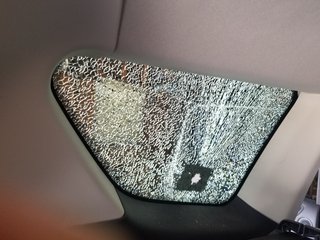
Driving with a spreading crack, especially across the driver’s sweep, compromises structural performance and visibility. Temporary tapes or resin kits are for chips, not fractures. Once a crack runs to the edge, replacement is the right answer. DIY replacement is risky even in a garage, and mobile work doubles the setup complexity. Professional installers carry the primers, adhesives, and setting tools that make the difference between a windshield that saves your life and one that pops in a rollover. This is not a corner to cut.
Bringing It All Together on Paper
By the time you approve your job, your document stack should include a clear, itemized estimate, the part brand and number, an acknowledgment of any moldings and clips, the adhesive used with the safe drive-away time, and any calibration procedure with a post-calibration report. Keep photos of the new windshield etchings and the calibration printout. If you sell the car later, that packet becomes evidence that the windshield was replaced correctly.
Choosing between OEM and aftermarket is not a moral test. It is a matching exercise: match the glass to your car’s technology, match the installer’s competence to the complexity of the job, and match the timing to your day. Mobile service, done right, makes this easier. With a careful quote review and a few pointed questions, you can get an auto glass replacement that looks, feels, and functions like the original, without paying for features your car will never use.
And the next time a pebble pops from a truck tire, you will know exactly how to turn a quick “auto glass near me” search into a confident decision, not a gamble.